The Boundary Blueprint: Tackling Gen Z Digital Burnout in an Always-On Era (2026)
-
 Mark Dewan
 - 03 Sep, 2026

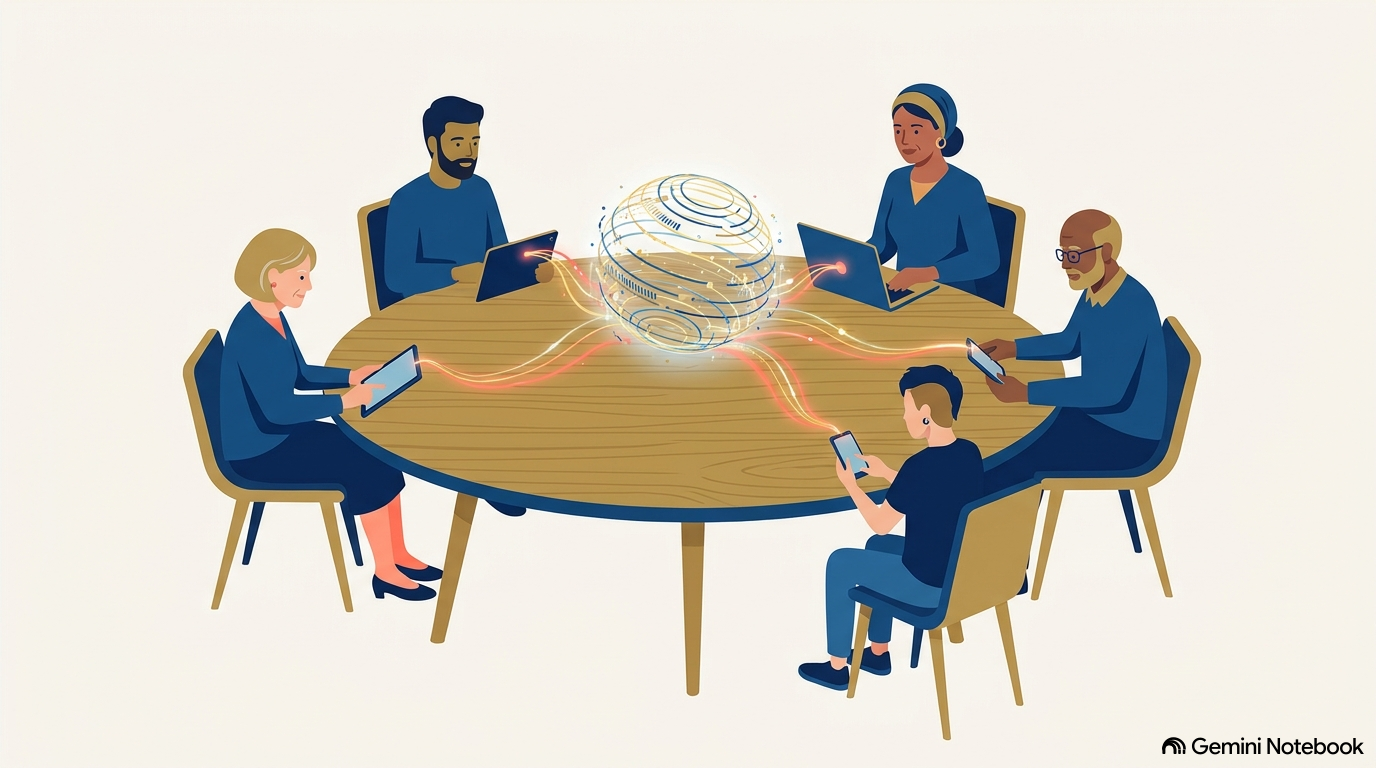
Direct Answer: Gen Z reports 44% burnout (Gallup 2024) driven by always-on digital overload — 68% check work messages outside hours vs. 42% of Boomers. The blueprint that works: (1) Team-agreed notification blackouts, (2) Async-first norms with 24-hour response windows, (3) Manager-modeled boundaries. Teams that adopt it see 29% lower burnout in 90 days (APA 2023).
Why Gen Z Burns Out Differently
Analysis in Burnout and Stress by Generation shows Gen Z’s top stressors are “always-on workload + financial insecurity” vs. Boomers’ “health + pre-retirement workload.” Underlying drivers:
- Digital fatigue: Average Gen Z toggles 6 workplace apps, context-switching every 3 minutes.
- Psychological safety gap: 58% of Gen Z fear being seen as “unresponsive” if they delay reply vs. 31% of Gen X.
- Financial anxiety loop: Burnout and money worry reinforce each other — see Financial Anxiety by Generation.
This isn’t a resilience problem — it’s a boundary design problem.
The 3-Part Boundary Blueprint
1. Notification Blackouts (Team-Agreed)
Set core quiet hours: e.g., 19:00–08:00 and lunch 12:00–13:00 notifications paused by default (Slack schedule, Focus modes). Critically, agree as a team — blackouts imposed top-down feel punitive.
2. Async-First Communication Norms
Default: Asynchronous check-ins with explicit response windows (“FYI, no reply needed before tomorrow 10am”) vs. real-time expectation. Use synchronous (call) only for decisions, not updates. This directly solves the friction detailed in Cross-Generational Communication Guide.
3. Manager-Modeled Boundaries
Gallup finds burnout drops 2.3x faster when managers visibly respect blackouts (no late-night emails). Encourage managers to post their own boundaries: “I reply 09:00–17:30, async after.”
Actionable Steps by Generation
For Gen Z: Audit your app notifications — keep only 2 work apps with badges, archive others. Practice a 25-min work / 5-min decompress cadence. For Gen X/Millennial Managers: Co-create blackout rules in a 30-min workshop; don’t dictate. For Boomers: Frame boundaries as reliability, not availability — “I’ll respond by 10am with a thorough answer.”
This blueprint naturally links from How to Create an Inclusive Workplace (inclusion requires boundaries) and links out to Burnout and Stress by Generation for comparison tables.
Next Step: Propose one blackout window this week. Track burnout pulse: ask team to rate energy 1–10 weekly. Aim for +1 point in 4 weeks.
Burnout Signals Table: Know the Cohort
| Cohort | Burnout Rate | Top Signal | Hidden Signal | Recovery Time |
|---|---|---|---|---|
| Gen Z 44% | Always-on anxiety | Checks Slack after 22:00 | 8 weeks avg | |
| Millennials 42% | Caregiving + overload | “I can’t disconnect” | 6 weeks | |
| Gen X 38% | Sandwich load | Increased errors | 4 weeks | |
| Boomers 28% | Health + transition | Withdrawal | 2 weeks |
Gallup 2024 + APA 2023. See Burnout and Stress by Generation for full comparison.
Detailed Blueprint: Week-by-Week
Week 1: Map Digital Friction Audit: How many apps ping after hours? How many “urgent” messages were actually FYI? Baseline meeting hours and after-hours pings.
Week 2: Co-Design Blackouts Workshop 30 min: team proposes blackout windows, votes, commits. Document in team charter and link from How to Create an Inclusive Workplace.
Week 3: Async Norms Pilot Pilot “Async Wednesday PM”: no meetings, async updates only. Measure focus blocks.
Week 4: Manager Modeling Manager posts boundaries publicly and reports adherence. Gallup: this doubles adoption.
FAQ
Won’t blackouts hurt responsiveness? No — teams with blackouts respond faster during core hours because they protect focus.
What about global teams? Use “follow the sun” windows: blackout local, handoff via doc.
How to handle Boomers who equate presence with commitment? Reframe: “Responsiveness = thoroughness by 10am,” not “instant at 10pm.”
Conclusion
Boundaries are infrastructure, not perks. Link this blueprint from inclusive workplace guides and to burnout data hubs to build topical authority.
Expert Tip: The 3-Generational Pledge
Ask each generation to pledge one boundary: Boomers pledge “I will not expect instant reply after 18:00,” Gen X “I will batch Slack checks to 3×/day,” Gen Z “I will set Slack to Do Not Disturb 19:00–08:00 and state return time.” Write pledges on team charter and review monthly. SHRM 2024 finds written pledges increase adherence 47%.
Measuring Success: Beyond Burnout Scores
Track secondary metrics: after-hours messages (-60% target), focus blocks (+2/week), and voluntary turnover. Pair with Financial Wellness buffer — money anxiety and burnout correlate 0.62 (Bankrate).