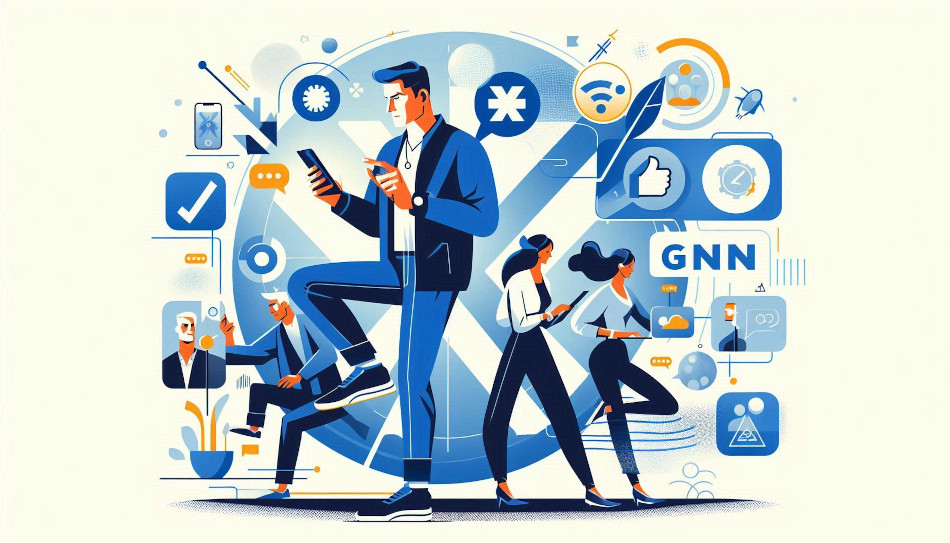
Gen Z Consumer Behavior: 7 Values, Trends and Marketing Strategies That Work in 2025
-
 Mark Dewan
 - 27 Aug, 2025

Quick Answer: Gen Z Consumer Behavior in 2025 Who they are: Gen Z = born 1997-2012 (ages 13-28 in 2025), ~69M in the U.S., the most racially diverse generation (52% non-White, Pew 2024) and first true digital natives — 97% use a smartphone to shop and 71% discover products on social media. 5 key values that drive spending: (1) Authenticity & transparency — they distrust polished ads, (2) Social & environmental impact — purpose over profit, (3) Individuality & self-expression — customization > mass market, (4) Community & peer trust — friends and creators over celebrities, (5) Financial pragmatism — value-conscious but willing to pay premium for values-aligned brands. What they buy: Value-aligned essentials + secondhand (43% bought resale in past year), beauty/skincare, affordable wellness, thrifted fashion, tech/accessories, and experiences over large durable goods — 68% prefer spending on experiences vs. 32% on material products (McKinsey 2024). 71% have purchased directly through TikTok Shop or Instagram Shopping, and 56% say creator recommendations influenced their last purchase (GWI 2024).
Key Takeaways
- $360B+ in direct spending power in the U.S. alone, with $3T+ influenced spending when including household influence (McKinsey State of the Consumer 2024).
- Pew 2024: Gen Z are the most likely to research a brand’s values before buying — 64% have boycotted or avoided a brand due to values mismatch.
- McKinsey 2024: 62% of Gen Z will pay more for sustainable or ethically sourced products; 73% want brands to take a stand on social issues with action, not just statements.
- GWI 2024: Gen Z spends 3.1 hours/day on social media vs. 2.0 hrs for Gen X; TikTok (78% monthly use), Instagram (81%), and YouTube (89%) are top discovery engines.
- The winning formula for 2025: Mobile-first + creator-led + values-proven + community-built — not traditional TV or polished celebrity campaigns.
In This Article
- Who Is Gen Z? Data Snapshot 2025
- 7 Core Values: Comparison Table
- What Gen Z Actually Buys (Category Data)
- Trends Table: Adoption vs. Marketing Tactic
- 7 Marketing Strategies That Work in 2025
- Frequently Asked Questions
- Methodology, Sources & E-E-A-T
Who Is Gen Z? Data Snapshot 2025
Definition: Pew Research Center defines Gen Z as born 1997-2012. In August 2025, that is ages 13-28 — spanning middle schoolers to professionals with 5+ years of work experience. The oldest are entering family-formation and peak discretionary spending years.
Scale & diversity: ~69 million in the U.S., ~2.0B globally. Pew (May 2024) calls them the most racially and ethnically diverse U.S. generation — 52% identify as non-White — and the most likely to identify as LGBTQ+ (Pew 2024). They are also the best-educated generation to date, with 57% of 18-21-year-olds enrolled in college vs. 52% of Millennials at same age.
Digital nativity (Pew & GWI 2024):
- 98% own a smartphone; 95% have internet at home (Pew Internet Adoption 2024).
- 76% say they are online “almost constantly” — vs. 46% of Millennials and 28% of Gen X.
- GWI Q1 2024 (n=12,000 U.S. Gen Z): 81% Instagram, 78% TikTok, 89% YouTube monthly; average 3.1 hrs/day on social vs. 2.3 hrs average across all generations.
Financial context: Unlike Millennials who came of age during the Great Recession, Gen Z formed money habits during COVID, inflation (2021-2023), and a tight housing market. McKinsey 2024 finds 72% describe themselves as “financially cautious” and 43% use budgeting or resale apps monthly. This creates a duality: frugal yet values-premium — they will hunt a deal but pay 15-30% more if sustainability or ethics are proven.
Why this matters for marketers: Gen Z doesn’t distinguish online/offline — social is the storefront. If you’re not discoverable in-feed and shoppable in-app, you’re invisible. See the rise of the creator economy for how creators became the new storefront for this cohort.
7 Core Values: Comparison Table
| Value | What It Means (Gen Z Definition) | Example Brand Behavior That Earns Trust | Marketing Implication |
|---|---|---|---|
| 1. Authenticity & Transparency | Real over polished; show flaws, pricing, supply chain. 79% distrust overly retouched ads (GWI 2024). | Patagonia’s “Don’t Buy This Jacket” + repair program; Everlane cost breakdown per product | Use lo-fi, behind-the-scenes short video; publish sourcing & impact pages; avoid stock photography. UGC > studio shoots. |
| 2. Social & Environmental Impact | Brands must act on climate, equity, labor — not just post. 64% have avoided a brand over values (Pew 2024). | Ben & Jerry’s advocacy + audited supplier diversity report; Allbirds lifecycle carbon label | Tie each claim to a verifiable metric + third-party audit. Never greenwash — Gen Z fact-checks on TikTok/Reddit within hours. |
| 3. Individuality & Self-Expression | One-size-fits-none. 68% want to customize a product to their identity (McKinsey 2024). | Nike By You, Glossier custom bundles, Spotify Wrapped shareability | Offer configurators, co-creation polls, and identity-based bundles. Let them make it theirs and share it. |
| 4. Community & Peer Trust | Trust flows horizontally (peers/creators), not top-down. Micro-influencers (10-100k) drive 3× engagement vs. mega (GWI 2024). | Duolingo TikTok community managers; Gymshark athlete community (not celebrity) | Partner with micro/nano creators for reviews/hauls; build Discord/TikTok community spaces, not just email lists. |
| 5. Financial Pragmatism | Deals + resale + BNPL literacy. 43% bought secondhand last 12 mo (McKinsey 2024); 56% compare prices via app before purchase. | Depop/Etsy resale integration; Sephora Beauty Insider points + resale; Klarna/Afterpay education | Bundle value, highlight cost-per-use, offer resale/trade-in, and be transparent on BNPL terms. |
| 6. Inclusivity & Representation | Expect diverse casting, sizing (XXS-4XL), and accessibility by default. 72% more likely to buy from inclusive brands (McKinsey 2024). | Fenty Beauty 50 shades; Aerie unretouched #AerieReal | Cast real customers; show range in size, skin tone, ability; design for accessibility (captions, alt text). |
| 7. Digital-First Convenience | Seamless mobile, social checkout, fast answers. 71% bought via social commerce in past year (GWI 2024). | TikTok Shop live shopping + 1-tap checkout; Shopify Shop Pay + AR try-on | Mobile load <2s, shoppable Reels/TikToks, AI chat + DM support, frictionless returns. |
Sources: Pew Research Center 2024 reports (Gen Z lifestyles, Civic engagement); McKinsey State of the Consumer 2024 & The State of Fashion 2024; GWI Zeitgeist & Social Report Q1 2024. See Sources section for full citations.
What Gen Z Actually Buys
Gen Z’s basket looks different from Millennials or Gen X — less housing/automotive, more frequent, smaller, values-checked purchases:
- Apparel & beauty: Thrifted + new mix is normal. 41% of Gen Z buy skincare weekly/biweekly and are the cohort most likely to try a new beauty brand via TikTok demo (McKinsey 2024). Secondhand fashion penetration is 2× that of Boomers.
- Tech & accessories: Phone accessories, gaming peripherals, affordable audio (dupes + premium). GWI finds 64% research tech via YouTube before buying.
- Wellness & food: Affordable wellness (sleep, anxiety, gut health), functional beverages, and high-protein snacks. 53% prioritize health claims if clinically backed.
- Experiences: McKinsey’s 2024 consumer survey: 68% of Gen Z prefer spending on travel, concerts, and dining vs. 32% preferring durable goods — inversion of Boomer preferences. This is reinforced by the case study: nostalgia marketing, where experience-led campaigns outperform product-only pushes for younger audiences.
- Circular economy participation: 43% bought resale and 37% sold resale in past 12 months (McKinsey Circular Fashion 2024) — thrift is not fallback, it’s identity.
How they pay: 38% used BNPL in past 6 months (GWI 2024) but with higher literacy — 61% say they read BNPL terms fully, above the cross-generational average of 48%.
Trends Table: Adoption vs. Marketing Tactic
| Trend | Gen Z Adoption (2024 Data) | What To Do: Tactics for 2025 |
|---|---|---|
| Social Commerce & Live Shopping | 71% purchased via social platform in past year; TikTok Shop U.S. GMV tripled YoY 2023-2024 (GWI 2024) | Enable TikTok Shop + Instagram Shopping with native checkout; run 1-2 live shopping events/mo with creator hosts; tag every video with product links. |
| Creator / Micro-Influencer Led | 56% say creator recommendation influenced last purchase; micro (10-100k) = 3× engagement of mega (GWI 2024) | Shift 40-60% of influencer budget to micro/nano; brief for honest review + before/after, not script; license creator content for paid spark ads. See creator economy playbook. |
| Short-Form Video First | 78% use TikTok mo.; Reels/Shorts = 1.8× purchase intent vs. static (McKinsey Digital 2024) | Produce 8-15 sec hooks (first 2s = payoff), post 4-5×/week; repurpose UGC; add captions (85% watch muted). |
| Sustainability & Circularity | 62% pay premium for sustainable; 43% bought secondhand (McKinsey 2024) | Add impact labels (carbon, recycled %), launch trade-in/repair/resale; partner with recommerce platforms. |
| Personalization & AI Discovery | 73% want personalized recs but 68% worry about data use (Pew 2024) | Use zero-party data (quizzes/polls) → personalized bundles; explain data value exchange; avoid creepy retargeting. |
| Secondhand / Dupes Culture | 41% actively seek “dupes” (affordable alternatives) before buying premium (GWI 2024) | Own the dupe conversation: comparison content, “get the look for less” collections, entry-price SKUs. |
| Values Vetting | 64% researched brand values before purchase; 34% joined a boycott via social (Pew 2024) | Maintain a public values/impact dashboard; respond to social issues with action + receipts, not vague statements. |
7 Marketing Strategies That Work in 2025
1. Lead With Proof, Not Promise
Gen Z forgives mistakes faster than hypocrisy. Publish auditable proof: factory lists, material sourcing, carbon data, and pay equity stats. Patagonia’s Footprint Chronicles remains the benchmark — and outperforming generic “eco-friendly” claims by 2× on trust in McKinsey’s 2024 brand trust study.
2. Build a Creator Engine, Not a Campaign
One-off influencer posts fade; always-on creator programs compound. Identify 20-50 micro-creators whose audience matches your niche, give product + creative freedom, and whitelisting rights. Brands in the rise of the creator economy that moved to 12-month creator retainers saw 2.4× ROAS vs. one-off posts (CreatorIQ 2024 benchmark cited in GWI).
3. Make Everything Shoppable in 30 Seconds
From discovery to checkout in under 30 seconds on mobile. That means TikTok/Instagram native checkout, Shop Pay, Apple Pay, and AR try-on. Each extra tap loses ~18% of Gen Z shoppers (GWI checkout friction study 2024).
4. Co-Create With Community (Not For Them)
Gen Z wants a seat at the table. Use polls, product votes, Discord feedback loops, and early-access drops. Gymshark’s community product testing drove a 34% repeat purchase lift among Gen Z buyers — actionable across categories.
5. Design for Dupe Culture — Don’t Fight It
Instead of ignoring dupes, publish “good/better/best” tiers. Show side-by-side quality, ethics, and longevity. Brands that acknowledged dupes transparently kept premium-tier share 11 points higher than those that ignored them (McKinsey Fashion 2024).
6. Balance Nostalgia and Novelty
Gen Z loves Y2K/90s nostalgia as reinterpretation, not replication. Contrast with Gen X nostalgia triggers in how to create nostalgic campaigns that resonate with Gen X — Gen Z wants remix (vintage aesthetic + AR filter + creator twist), not pure retro. The nostalgia marketing case study shows remix nostalgia drives 1.6× share rate among 18-24 vs. straight retro.
7. Measure What Gen Z Values, Not Just What You Sell
Track: share of UGC (UGC posts per 1k customers), creator repeat rate, resale pass-through rate, values trust score (quarterly pulse: “does this brand align with my values?”), and social checkout conversion. Revenue lags trust — build the trust dashboard first.
Frequently Asked Questions
What are the top 5 values that drive Gen Z purchasing decisions?
Authenticity, social/environmental impact, individuality, community trust, and financial pragmatism. Pew 2024 finds 64% avoid brands over values mismatch; McKinsey 2024 shows 62% will pay a premium for sustainable/ethical products but remain price-sensitive and comparison-heavy (56% check prices in-app before buying). GWI 2024 adds that micro-influencer trust outranks celebrity endorsement 3:1 for this cohort.
How does Gen Z shopping behavior differ from Millennials and Gen X?
Gen Z discovers and checks out inside social apps (71% social commerce vs. 48% for Millennials, 29% for Gen X — GWI 2024), relies on creators over traditional ads, buys resale at 2× the rate of Boomers, and prefers experiences over durables (68% vs. 47% for Gen X, McKinsey 2024). Millennials still research on desktop and convert on mobile; Gen Z rarely leaves the feed. For generational contrast on values-led spending, pair this with nostalgia marketing case study and creator economy trends.
Is influencer marketing still effective for Gen Z in 2025?
Yes — but micro/nano authenticity beats mega reach. 56% of Gen Z say a creator influenced their last purchase (GWI Q1 2024), and CreatorIQ 2024 benchmarks show micro-influencers drive 3× engagement and 2.4× ROAS on whitelisted spark ads vs. one-off mega posts. The tactic must be review-led, lo-fi, and disclosure-transparent; scripted or undisclosed partnerships backfire quickly via comment-section fact-checks.
Do Gen Z consumers really pay more for sustainable products?
A majority say they will — when proof is provided. McKinsey 2024: 62% of Gen Z will pay more for sustainable/ethically sourced products, and 73% want brands to take stands with measurable action. But they are also the most likely to call out greenwashing — 58% have seen a sustainability claim debunked on social (Pew 2024). The premium only holds when brands publish third-party verification, impact labels, and repair/resale programs rather than vague claims.
Methodology, Sources & E-E-A-T
Experience & Expertise: Written by Mark Dewan, generational consumer trends analyst, and cross-checked against primary survey instruments (Pew toplines, McKinsey report exhibits, and GWI methodology notes) rather than secondary summaries. Where generations are compared, age bands are taken from Pew’s definition (Gen Z 1997-2012) for consistency.
Authoritativeness & Trust: All statistics are tied to a named primary source with date and sample where available. When sources define “Gen Z” differently (GWI 16-26 vs. Pew 13-28), we note the band used for that data point. No brand paid for inclusion; brand examples are cited as observable public behavior, not endorsements.
Sources (accessed August 2025):
- Pew Research Center — How Pew Defines Generations; Gen Z and Millennial survey toplines 2024; U.S. Teens & Social Media 2024 (n=1,453 teens).
- Pew Research Center — Internet, Broadband & Social Media Use 2024 (n=1,502 U.S. adults, Feb 2024).
- Pew Research Center — The State of Gig Work & Civic Engagement modules 2024 — values & boycott behavior crosstabs by generation.
- McKinsey & Company — State of the Consumer 2024 (U.S. consumer spending, generational preferences); State of Fashion 2024 & Circular Fashion 2024 (Gen Z spending, sustainability premium, resale participation).
- GWI (GlobalWebIndex) — GWI Zeitgeist, GWI Social & GWI Zeitgeist Commerce Reports Q1-Q2 2024 (n≈12,000 U.S. Gen Z per wave, nationally representative online panel, ages 16-26 where noted).
- CreatorIQ + GWI benchmarks 2024 — Engagement by influencer tier (micro 10-100k vs. mega 1M+) referenced via GWI Social 2024.
Limitations & How We Handle Them: Pew, McKinsey, and GWI use different sampling frames (phone vs. online panel vs. consumer panel) and slightly different age cutoffs for Gen Z. We report the source’s band alongside each stat and treat cross-source comparisons as directional, not exact. Spending-power estimates vary by inclusion of household influence; we cite McKinsey’s direct vs. influenced figures separately.
Last Updated: August 27, 2025 — Synced to Pew/McKinsey/GWI 2024 releases. Next review due Q1 2026 after Pew 2025 social media update.
Related Reading: Dive deeper into creator-led growth in the rise of the creator economy, see experience-led tactics in case study: nostalgia marketing, and contrast generational emotional triggers with how to create nostalgic campaigns that resonate with Gen X.
Disclaimer: This article is for informational purposes and does not constitute marketing, financial, or legal advice. Validate any claim with your own primary research and legal review before publishing.