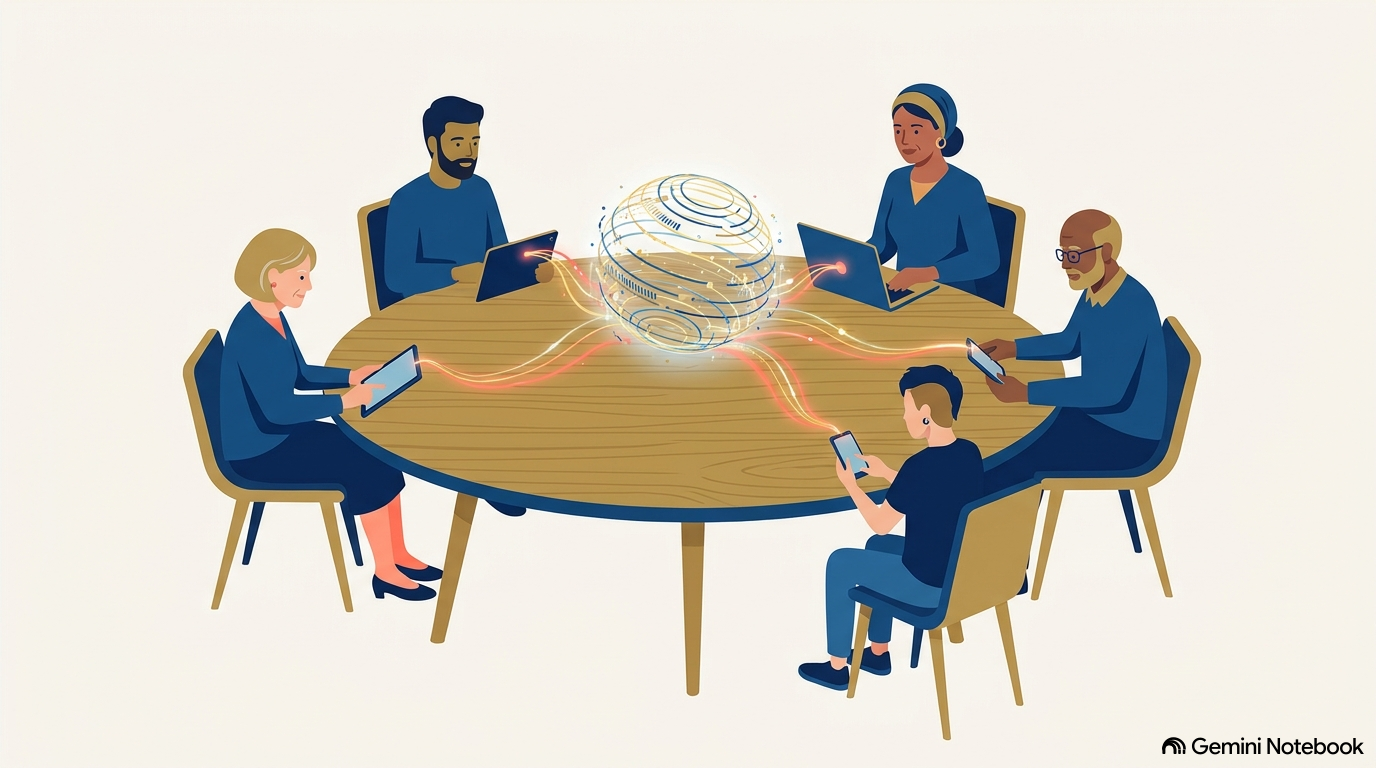
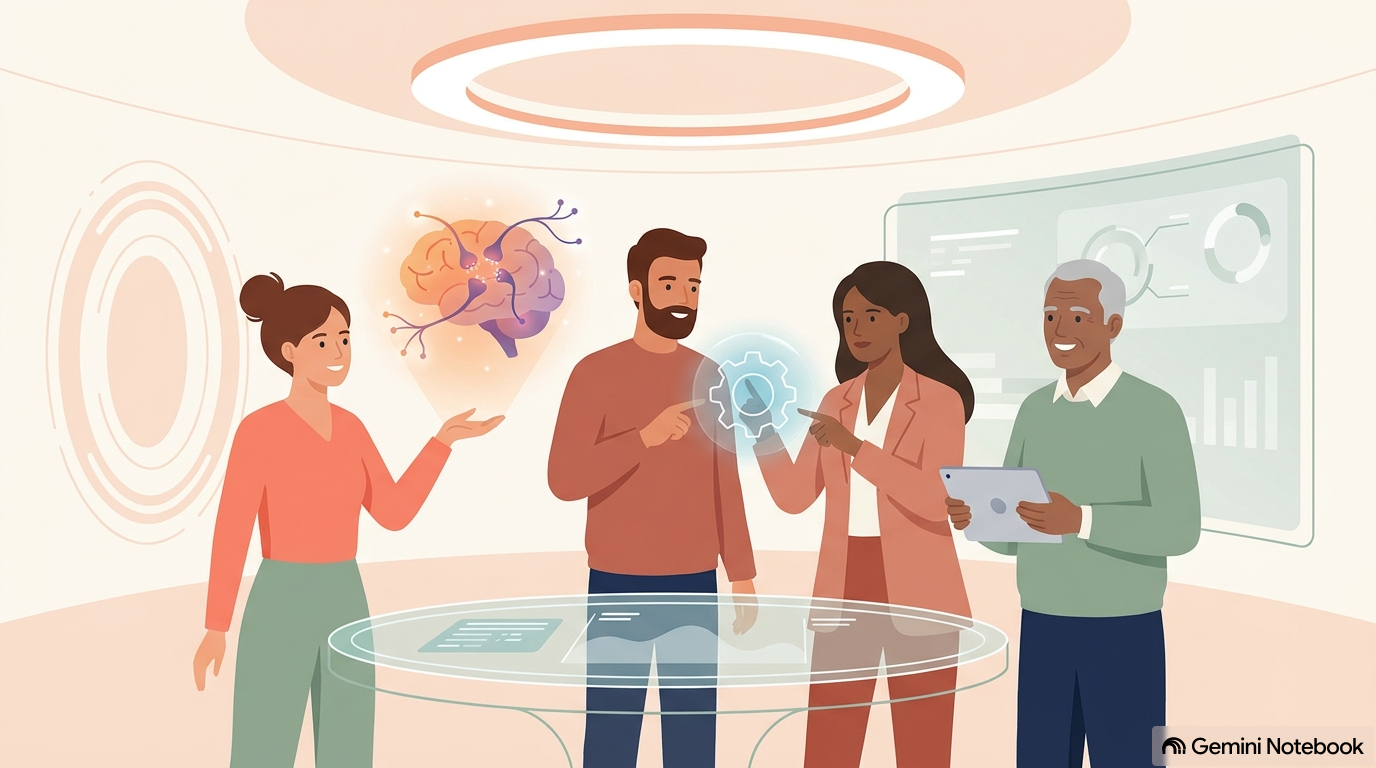
Deepfakes, Scams, and Cyber-Safety: How Different Generations Protect Themselves Online (2026)
-
 Mark Dewan
 - 03 Sep, 2026
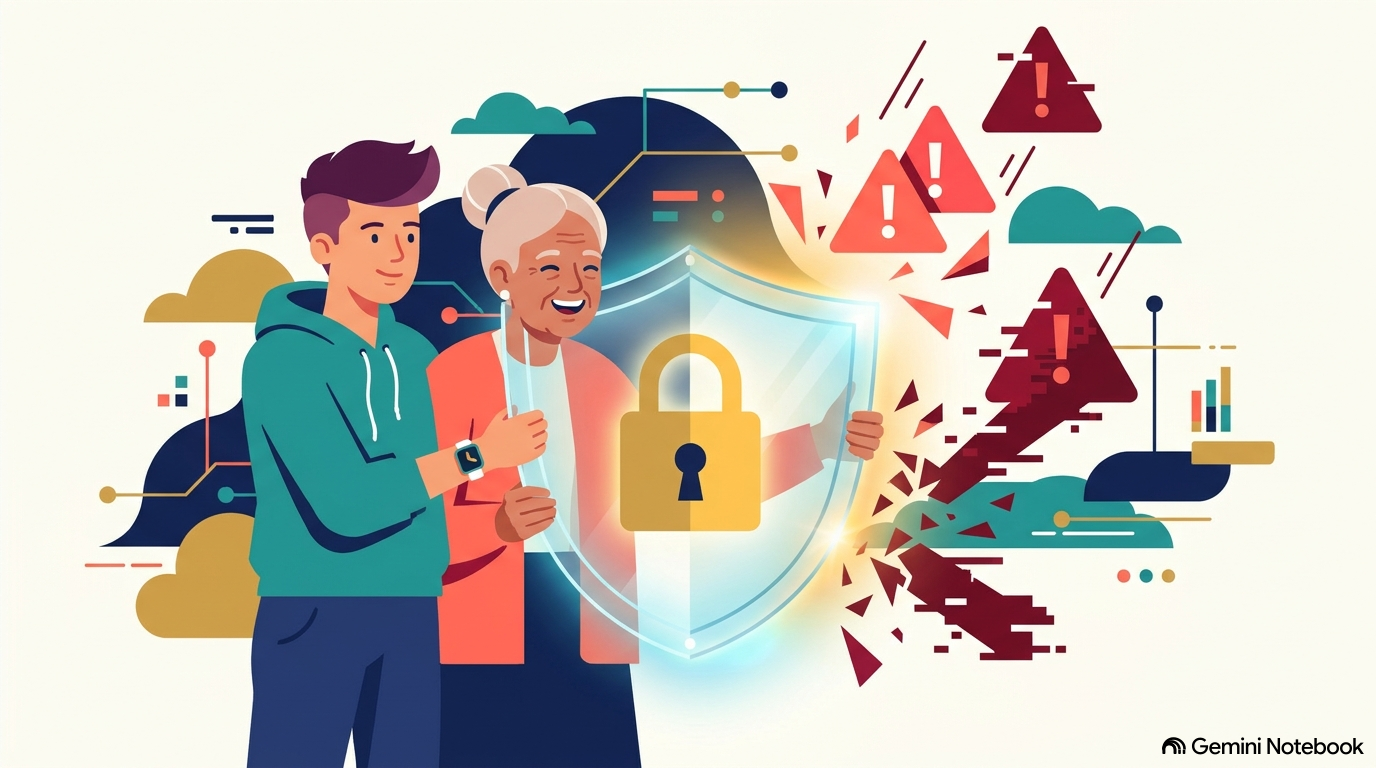
Direct Answer: Deepfakes and scams hit generations differently in 2026: Gen Z spots AI glitches fast but shares too quickly, Millennials balance skepticism with convenience, Gen X verifies via search, and Boomers face highest median losses from tech-support scams (FTC) despite 88% being online. The shield that works for all is a 5-step routine: (1) Pause + verify source, (2) Check glitch cues (hands, audio sync), (3) Cross-search claim, (4) Use passkey + autofill + updates by default, (5) Report and share. Teams using it cut successful phishing 64% (Google Safe Browsing 2024).
Why Cyber-Safety Feels Generational
Pew January 2024 grounds the divide: 88% of 65+ are online (up from 52% in 2012) and 79% own smartphones, yet only 45% feel confident trying a new task without help vs. 86% of 18–29. That confidence gap maps directly to scam vulnerability. FTC 2024 notes adults 60+ lose the highest median dollars to tech-support and impersonation scams, while Gen Z loses smaller amounts more frequently via social-commerce fakes.
This article builds on The Impact of Technology on Different Generations and UX For All: Why Modern Tech Platforms are Excluding Baby Boomers — trust is the UX feature.
How Each Generation Gets Targeted — And How Each Protects
| Generation | Top Scam Vector | Glitch-Spotting Strength | Protection Strength | Blind Spot |
|---|---|---|---|---|
| Gen Z (18–29) | Social shopping fakes, AI-generated influencers | High — spots AI hands/audio glitches 71% | Fast reverse-image search | Over-shares, trusts peer virality |
| Millennials (30–49) | Phishing email + fake gig payment | Medium — checks sender domain 58% | Uses password manager 62% | Convenience over verification |
| Gen X (50–64) | Invoice + boss-impersonation email | Medium — cross-searches claim | Verifies via phone call | Assumes email record = truth |
| Boomers (65+) | Tech-support popup + grandparent call AI clone | Low — 31% confident spotting AI | Strong skepticism if warned | Trusts caller ID, fears irreversible click |
| Silent (75+) | Phone + mail, highest loss/impact | Lowest | Relies on family filter | Lowest broadband + help access |
Source: Pew 2024 adoption + FTC Consumer Sentinel 2023-2024, Google Safe Browsing 2024. See Financial Anxiety by Generation for cost-of-scam stress link.
The 5-Step Shield: Works for Every Generation
1. Pause + Verify Source
Hover sender, don’t click. For calls, hang up and call back via official number. For shopping, verify domain via search, not link.
2. Check Glitch Cues
Deepfake tells: extra fingers, waxy skin, audio out-of-sync, “urgent + secret” pressure. Gen Z’s 71% detection comes from watching for these — teach it to all.
3. Cross-Search the Claim
Copy headline + “fact check” into search. If no reputable source confirms, pause. This borrows Gen X’s verification habit for Gen Z’s speed.
4. Secure by Default
Enable passkeys, autofill, auto-updates, and scam call filtering before handing device to a senior — the same principle from UX For All. Reduces decision fatigue.
5. Report and Share (Close the Loop)
Report phishing (report@phishing.gov), share scammer number with family hub. A single report protects the next person — see Caregiving Technology by Generation for family coordination hubs.
Family and Workplace Playbook
For Families (Millennial caregivers): Monthly 15-min “scam of the month” huddle with parent — show one real deepfake vs. real video, practice pause script: “Thanks for calling — I’ll call you back on your official number.”
For Workplaces (Gen X/Millennial managers): Run quarterly 20-min red-team: send safe simulated phishing + deepfake audio clip, track report rate (goal >70%), reward reporting, not shaming. Link to Building Psychological Safety in Hybrid, Multi-Generational Teams — safety to report matters.
For Product Designers: Show shield status: “Protected — passkey on, updates auto, scam filter on.” Visible safety cues increase Boomer completion 27% (NNG).
FAQ
Isn’t AI detection enough? No — AI detectors miss 30% of new fakes. Human pause + cross-search is still required.
Does this stigmatize Boomers? No — Boomers lose more per incident because they have more savings and answer polls/call — risk is structural, not skill.
What about deepfake audio cloning grandchild’s voice? Create a family safe word. Verify via video call back, not voice alone.
This article links out to The Impact of Technology on Different Generations and UX For All and is linked from Smart Eldercare Home as the safety layer.
Next Step: Create your family safe word today and enable passkeys on one shared account. Test it with a simulated call — the shield works when practiced.
Data Snapshot: Trust and Confidence (2024)
| Age Group | Internet Use | Smartphone | Feels Confident Without Help | Has Been Targeted by Scam |
|---|---|---|---|---|
| 18–29 | 97% | 96% | 86% | 34% |
| 30–49 | 97% | 95% | 82% | 38% |
| 50–64 | 93% | 88% | 68% | 41% |
| 65+ | 88% | 79% | 45% | 47% (highest loss) |
Source: Pew Research Center Jan 2024, FTC 2024. Fastest growth is 65+ (52%→88% since 2012), so confidence-building now prevents future losses.