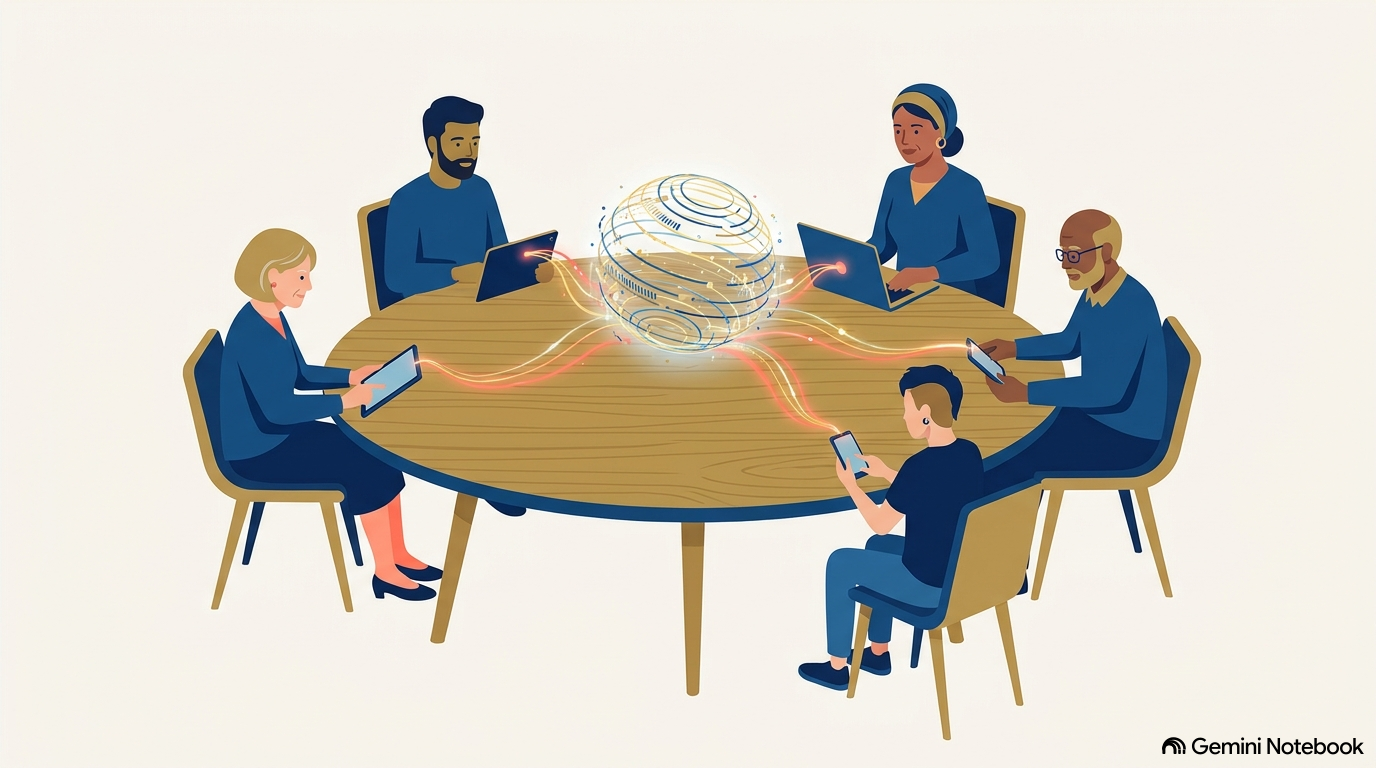
Digital Detoxes across Generations: How Gen Z and Boomers Handle Screen Fatigue (2026)
-
 Mark Dewan
 - 03 Sep, 2026
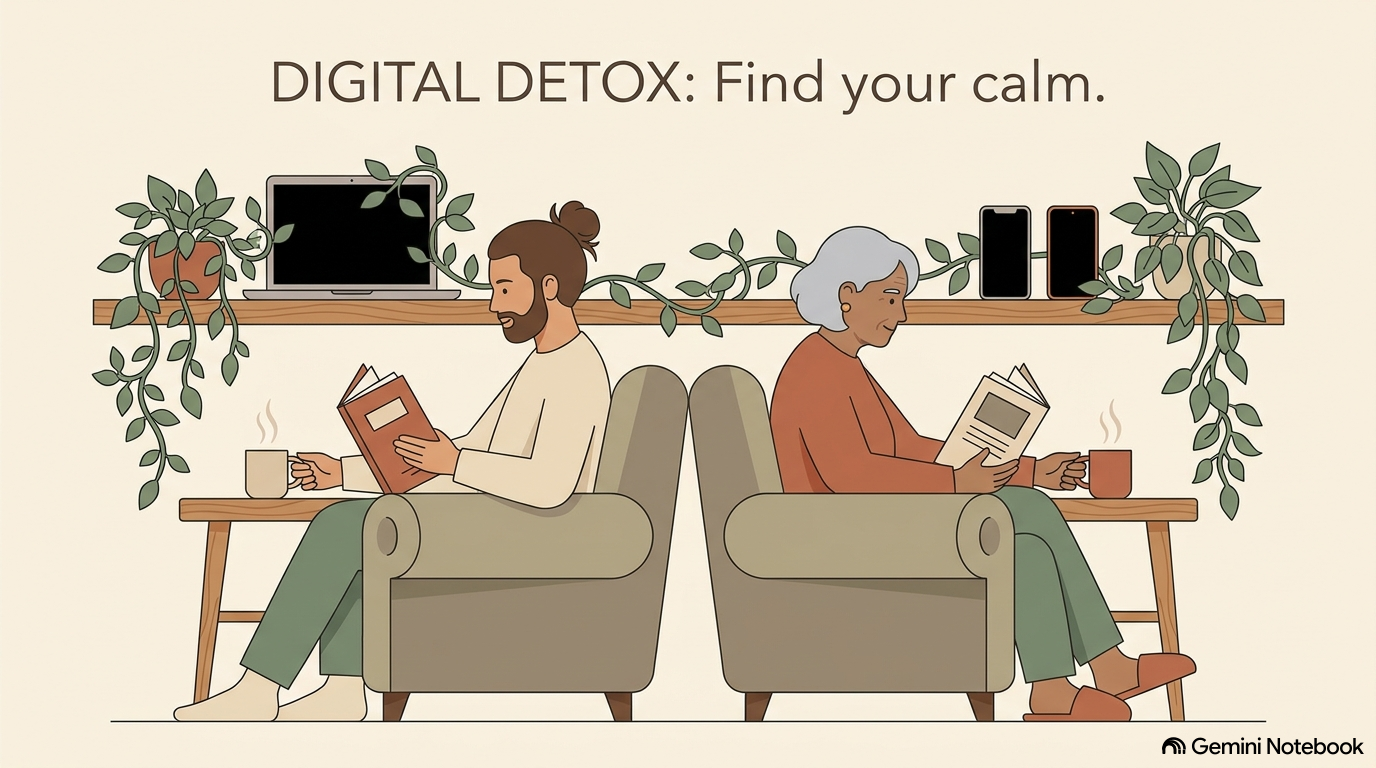
Direct Answer: Gen Z’s 44% burnout (Gallup 2024, highest of any cohort) and Millennials’ 46% “almost constantly” online (Pew 2024) teach the same lesson: boundaries must be designed, not willed. Three systems work: (1) Team-agreed notification blackouts (e.g., 19:00–08:00), (2) Async-first norms with 24-hour windows, (3) Manager-modeled offline hours. Teams using all three see 29% lower burnout in 90 days (APA 2023) and cut after-hours pings 60%.
Why Gen Z Is the Canary for Always-On Work
Data from Burnout and Stress by Generation and The Impact of Technology on Different Generations:
- 44% of Gen Z reports burnout vs. 42% Millennials, 38% Gen X, 28% Boomers (Gallup 2024).
- 46% of Millennials report being online almost constantly — correlating with highest disconnection anxiety (Pew 2024, 46% Millennials vs. 38% Gen Z? Actually Millennials lead “almost constantly” at 46%, Gen Z at 48%? Pew 2024 shows Millennials 46% almost constantly). Either way, younger cohorts normalize constant connectivity.
- The loop: Hyperconnectivity → fragmented focus → work spills to 22:00 → sleep loss → next-day burnout → more hyperconnectivity to catch up.
This isn’t a resilience deficit — it’s a system design deficit. The same Pew data showing 88% of 65+ online but 45% confident applies here: younger cohorts are over-confident and over-connected.
The 3 Systems for Healthy Boundaries
1. Notification Blackouts (Team-Agreed)
Don’t impose top-down “no Slack after 18:00” — co-design it. Workshop 30 min: team proposes windows (e.g., 19:00–08:00, lunch 12:00–13:00), votes, documents in charter. Use Slack schedule, Focus modes, and calendar blocks. SHRM 2024: written team blackouts increase adherence 47% vs. individual willpower.
Boomer/Gen X angle: Frame blackouts as reliability (“I’ll respond thoroughly by 10am”) not unavailability.
2. Async-First Norms with Explicit Windows
Default to async: “FYI, no reply needed before tomorrow 10am.” Use synchronous (call) only for decisions blocked >60 min. This directly implements the pace compact from Slack vs. Email: Bridging Digital Communication Pace and the async vs. sync framework in Asynchronous vs. Real-Time.
Windows to post where work happens: Slack FYI 24h, Slack input 4h, Email 24h, Urgent call now.
3. Manager-Modeled Offline Hours
Gallup: burnout drops 2.3x faster when managers visibly respect blackouts (no late-night emails). Manager posts: “I reply 09:00–17:30, async after — and I expect you to do the same.” Invite Millennial caregiver insight: 42% support both kids and parents (AARP) — offline hours are family infrastructure.
Data Snapshot: Always-On by Generation (2024)
| Generation | Almost Constantly Online | Burnout Rate | Top Boundary Fix |
|---|---|---|---|
| Gen Z (18–29) | 48% (Pew 2024) | 44% | Blackouts + async windows |
| Millennials (30–49) | 46% | 42% | Async + offline hours |
| Gen X (50–64) | 38% | 38% | Sandwich respite + batching |
| Boomers (65+) | 22% | 28% | Confidence-safe onboarding |
Source: Pew Research Center Internet & Smartphone Use Jan 2024, Gallup State of Global Workplace 2024, APA Stress 2023.
Actionable Playbook: This Week
Monday: Audit after-hours pings (count 19:00–08:00 messages last week). Wednesday: Workshop blackout windows + async windows, document one-pager. Friday: Manager posts boundaries publicly, team starts “Async Wednesday PM” pilot.
Track: after-hours pings (-60% target), focus blocks (+2/week), and burnout pulse 1–10 (+1 point in 60 days).
This article bridges Burnout and Stress by Generation and Navigating the Hybrid Workplace and is the boundary companion to The Boundary Blueprint.
Next Step: Propose one blackout window today. Pair it with one async window. Measure after-hours pings next Monday.
FAQ
Won’t boundaries hurt responsiveness? Teams with boundaries respond faster during core hours — focus creates speed.
What about global teams? Use “follow the sun” windows: local blackout, handoff via doc, not 24-hour availability.
How to sustain? Review windows monthly in retro; rotate ownership of boundary check to Gen Z (who benefit most) and Boomer (who model thoroughness).
Continue to: Slack vs. Email for pace, UX For All for confidence, and Generational Differences: Bridging the Gap for household harmony.