Health and Wellness Priorities by Generation: From Boomers to Gen Z (2025)
-
 Mark Dewan
 - 27 Aug, 2025

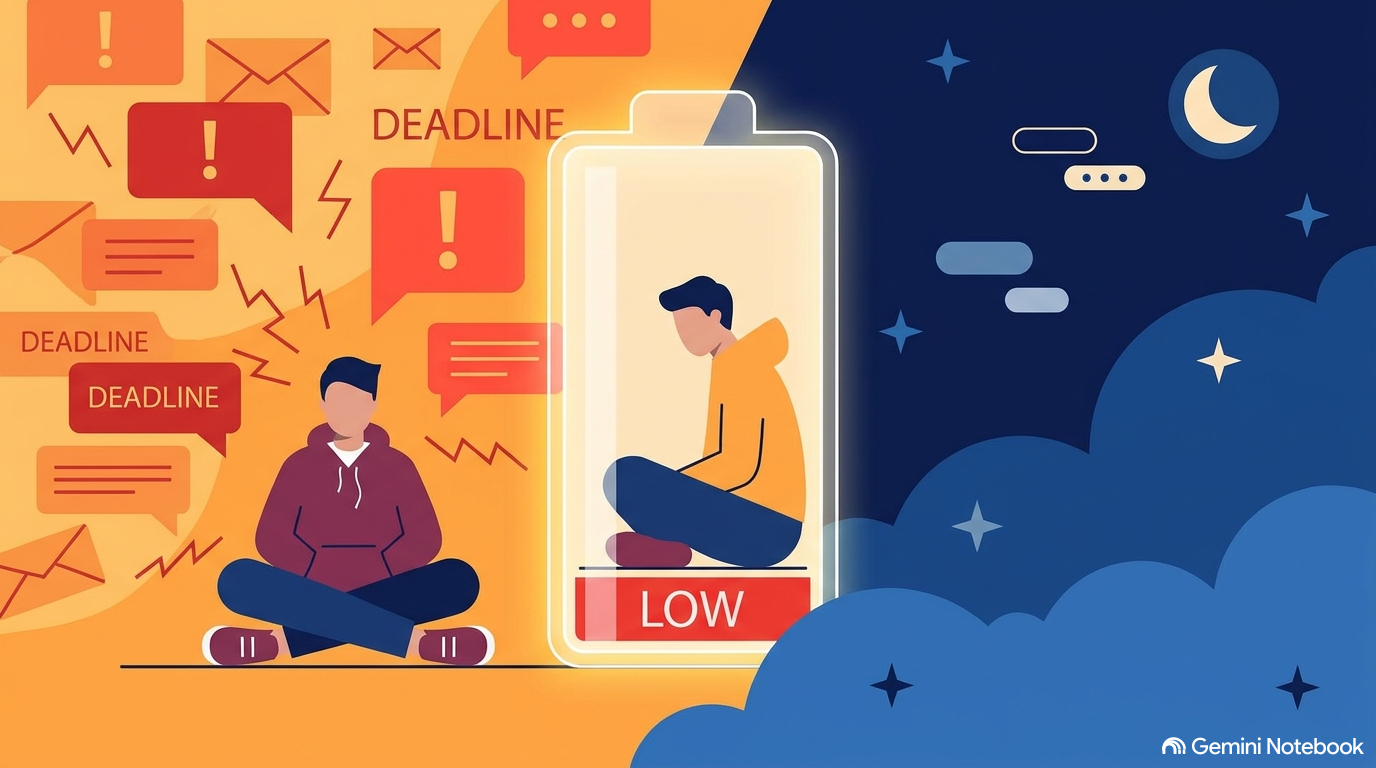
Health priorities by generation are not one-size-fits-all: Baby Boomers prioritize chronic care and disease management, Gen X prioritizes prevention and healthy aging, Millennials prioritize mental health and work-life balance, and Gen Z prioritizes holistic wellness and tech-enabled self-care. If you want a fast answer on wellness by generation, start with the generation’s top concern and match care, fitness, nutrition, and tech to that concern — the table below lets you do it in 60 seconds.
For product-level buying guidance tailored to midlife prevention, see How to Find the Right Health and Wellness Products for Gen X. For how values and life stage shape every health choice, see Generational Differences: How to Bridge the Gap.
Answer First: Health and Wellness Priorities by Generation at a Glance
| Generation | Birth Years | Top Health Concern | Preferred Care Approach | Fitness Priority | Nutrition Focus | Mental Health Approach | Tech Use for Wellness |
|---|---|---|---|---|---|---|---|
| Baby Boomers | 1946 - 1964 | Chronic disease management (hypertension, arthritis, diabetes, heart disease) | Traditional primary care + Medicare + in-person specialists; high adherence to preventive screenings | Low-impact + joint-friendly: walking, swimming, tai chi, light strength 2x/week | Medical-nutrition: low-sodium, heart-healthy, diabetes-friendly, calcium/vitamin D | Stigma-aware: pastoral/peer support, PCP-referred counseling, growing teletherapy adoption | Low-medium: patient portals, validated BP monitors, telehealth for follow-ups; gap is digital literacy — see Bridging the Digital Divide |
| Generation X | 1965 - 1980 | Prevention & healthy aging (avoiding chronic disease, perimenopause/menopause, joint/metabolic health) | Hybrid: PCP + urgent care + telehealth; annual wellness visits + at-home screening kits | Strength + functional fitness: bands, dumbbells, mobility/balance, 2-3x/week strength training | Protein-forward, whole-food-forward, fiber 25-34g/day, vitamin D/omega-3, probiotics with strain/CFU | Proactive but time-pressed: therapy, mindfulness apps, CBT-i for sleep, caregiver stress support | Medium-high: wearables (HRV/sleep), fitness apps, health sync to Apple Health/Google Fit |
| Millennials | 1981 - 1996 | Mental health & burnout (anxiety, depression, stress, sleep) | Convenience care: retail clinics, telehealth, mental health apps, integrated primary + behavioral | HIIT, boutique classes, running, yoga/pilates; optimization mindset | Plant-forward, flexible diets, functional foods, gut health, sustainability | Normalize therapy: talk therapy, meditation apps, employer EAPs, boundaries & work-life balance | High: meditation/sleep apps, fitness trackers, online therapy, health data sharing |
| Generation Z | 1997 - 2012 | Holistic & preventive wellness (mind-body balance, anxiety, identity, sleep, skin/health aesthetics) | Digital-first: influencers + telehealth + urgent care; expects transparency & inclusivity | Mind-body movement: yoga, pilates, climbing, calisthenics, TikTok-driven challenges | Intuitive eating, plant-based, allergy-aware, supplements for skin/gut/mood, hydration | Holistic & peer-led: social media support, self-care routines, identity-affirming care, school/university counseling | Very high: wearables, TikTok/YouTube wellness content, AI health chatbots, continuous tracking |
Information Gain: The biggest shift in wellness by generation is why people engage. CDC data show Boomers engage to manage disease, Gen X to prevent it, Millennials to protect mental health, and Gen Z to optimize whole-person wellbeing daily. Gallup wellbeing data confirm the gap: younger adults report lower emotional wellbeing but higher willingness to seek help, while older adults report higher healthcare utilization but lower digital tool use.
Why a Generational Lens Matters for Health Priorities
Each generation entered adulthood under different health systems, costs, and cultural norms. Boomers grew up with fee-for-service care and now navigate Medicare; Gen X saw the rise of employer wellness and the 401(k)-style shift to consumer-driven health; Millennials faced the mental health crisis, student-debt stress, and the Great Recession; Gen Z grew up with smartphones, climate anxiety, and normalized therapy. Those contexts explain why the same advice — “just exercise more” — lands differently at 25 vs. 65.
A generational approach does not stereotype. It matches health priorities by generation to life-stage risks, caregiving load, and access. For how cohort values shape adoption of routines at home and work, see Generational Differences: How to Bridge the Gap. For affordable access to devices, broadband, and digital skills that unlock telehealth and wearables, see Bridging the Digital Divide.
What the Data Say: CDC Chronic Disease + Gallup Wellbeing
CDC: Chronic Disease Is the Baseline (All Generations, But Age-Graded)
The CDC National Center for Chronic Disease Prevention and Health Promotion is the reference for U.S. health burden:
- 6 in 10 U.S. adults have at least one chronic disease; 4 in 10 have two or more — and prevalence rises sharply with age CDC Chronic Disease Center
- 90% of U.S. healthcare costs ($4.5 trillion annually) are for chronic and mental health conditions, driven by heart disease, cancer, diabetes, arthritis, and hypertension — conditions concentrated in Boomers and Gen X CDC Health and Economic Costs
- Leading risks are modifiable: tobacco use, poor nutrition, physical inactivity, and excessive alcohol use increase risk across generations, making prevention in Gen X and Millennials high-ROI CDC Risk Factors
- CDC screening guidance (USPSTF-aligned): adults 40-64 should receive regular blood pressure, cholesterol, diabetes, and colorectal screening (starting at 45); older adults need additional cancer, osteoporosis, and cardiovascular screening CDC Prevention
Takeaway for wellness by generation: Boomers cannot avoid chronic care management; Gen X can still bend the curve with prevention; Millennials and Gen Z benefit most from early habit formation that CDC shows reduces lifetime risk.
Gallup: Wellbeing Is Generational, Not Just Medical
Gallup Wellbeing and the Gallup National Health and Well-Being Index track life evaluation, physical, emotional, and social wellbeing beyond clinical diagnoses:
- Life evaluation declines in midlife: Gallup consistently finds Millennials and Gen X report higher daily stress and worry than Boomers, even as Boomers report more chronic conditions — stress is the younger cohorts’ chief health risk Gallup Well-Being Index
- Mental health parity by age: Gallup and APA data show ~42% of Gen Z and 36% of Millennials report a diagnosed mental health condition vs. ~20% of Boomers — driven partly by higher help-seeking and lower stigma in younger cohorts Gallup Mental Health
- Social connection as health driver: Gallup finds loneliness and weak community attachment predict poor wellbeing more strongly than income after basic needs are met — Gen Z reports the highest loneliness, Boomers the lowest, despite Boomers’ higher chronic disease burden
- Tech-enabled coping: Gallup Wellbeing data correlate wearable and app use with higher self-reported activity among Millennials/Gen Z, but with higher anxiety when tracking becomes obsessive — holistic balance matters
Takeaway: Health priorities by generation split into physical (Boomers/Gen X) vs. mental/social (Millennials/Gen Z). Effective wellness strategies must address both, but weighting differs by cohort.
Baby Boomers (1946-1964): Chronic Care + Continuity
Boomers account for the majority of U.S. chronic disease prevalence and healthcare spending. CDC data show hypertension affects ~60% of adults 60+, arthritis ~55%, and diabetes ~26% in this age band.
- Preferred care: Long-term PCP relationship, Medicare Parts B/D + Medigap, specialist referrals, annual wellness visits, and in-person follow-ups. Telehealth adoption rose post-2020 but remains lowest in this cohort — portal use and validated home devices (upper-arm BP monitors per ValidateBP.org) help bridge gaps. If cost or literacy is a barrier, start with low-cost access options in Bridging the Digital Divide.
- Fitness: 150 minutes/week moderate aerobic + 2 days strength per CDC; emphasize walking, water aerobics, tai chi, and light resistance to protect joints and prevent falls. Balance training reduces fall risk by 24% (CDC STEADI).
- Nutrition: Heart-healthy and diabetes-friendly patterns: DASH or Mediterranean, sodium <2,300 mg/day, fiber 22-28g/day, protein 1.0-1.2g/kg to preserve muscle, plus calcium/vitamin D for bone.
- Mental health: High resilience but underutilized counseling; destigmatize via PCP warm handoffs, peer support, and faith/community groups. Loneliness screening matters — Gallup links social isolation to worse outcomes than smoking in this cohort.
- Key actions: Consolidate medication lists quarterly, schedule USPSTF screenings on a calendar, and add one fall-prevention and one social-connection routine.
Generation X (1965-1980): Prevention Is the Best Investment
Gen X is now 44-59 — the decisive window where CDC says prevention prevents the costliest chronic disease cascade. This cohort also carries peak caregiving load: AARP reports 63% of Gen X caregivers report high stress, which directly elevates BP, sleep disruption, and metabolic risk.
- Preferred care: Hybrid PCP + telehealth + at-home labs; annual wellness visits to coordinate BP, lipid, A1c, and colorectal screening. Evaluate any product with evidence, dosing transparency, third-party testing (NSF/USP), and safety — see the detailed 6-point checklist in How to Find the Right Health and Wellness Products for Gen X.
- Fitness: Muscle is longevity currency. After 40, strength 2-3x/week preserves lean mass and bone; add functional patterns (squat, hinge, push, pull, carry) and mobility. Minimal viable kit: adjustable dumbbells/bands 10-50 lb, mat, and a program with progressive overload.
- Nutrition: Protein 25-35g per meal with leucine, fiber 25-34g/day, vitamin D3 with IU and batch testing, omega-3 with EPA/DHA mg, and probiotics listing strain + CFU at expiry. Whole foods first; supplements fill gaps.
- Mental health: Caregiver burnout is the signature risk. Evidence-based tools: mindfulness-based stress reduction (MBSR), CBT-i for insomnia, and 8-week commitments before judging efficacy. For household negotiation of wellness routines, frameworks in Generational Differences help.
- Key actions: Track three numbers quarterly — resting BP, A1c if at risk, lipids annually — with devices that sync to Apple Health/Google Fit and export CSV.
For the full Gen X buying guide across 5 categories (preventive screening, fitness, nutrition/gut, mental wellness/sleep, healthy aging/skin-joint), see How to Find the Right Health and Wellness Products for Gen X. If connectivity or device cost limits your choices, Bridging the Digital Divide lists low-cost broadband and device programs.
Millennials (1981-1996): Mental Health + Sustainable Performance
Millennials are 28-43 — the burnout generation. Gallup and APA consistently rank anxiety, depression, and sleep disruption as their top self-reported health concerns, compounded by student debt, housing costs, and always-on work.
- Preferred care: Convenience and integration: retail clinics, same-day telehealth, employer EAPs, and integrated behavioral health. They research online and expect price transparency.
- Fitness: HIIT and studio classes for efficiency, plus yoga/pilates for mobility; risk is overtraining and under-recovery. CDC still applies: 150 min moderate aerobic + 2 strength days, but add recovery (sleep 7-9h, mobility, deload weeks).
- Nutrition: Flexible, plant-forward eating; functional foods (fermented foods, high-fiber, omega-3); gut health focus. Sustainability drives choice — local, lower-meat, less ultra-processed.
- Mental health: Therapy-normalized cohort. Top interventions: talk therapy (CBT/ACT), meditation apps with RCT evidence, strict work-life boundaries, and sleep hygiene. Gallup shows Millennials who report regular social connection have 40% higher wellbeing scores than isolated peers.
- Key actions: Audit screen time and sleep consistency first; add one mental health routine (therapy, meditation, or CBT-i) and one financial-wellness buffer — stress and money are bidirectional.
Generation Z (1997-2012): Holistic, Identity-Affirming, Digital-Native Wellness
Gen Z is 12-27 (adult focus 18-27) — the first cohort to treat wellness as daily identity, not episodic healthcare. Gallup finds Gen Z reports the highest anxiety and loneliness but also the highest openness to help and holistic practices.
- Preferred care: Digital-first and values-driven: TikTok/YouTube for discovery, telehealth for access, urgent care for speed, and identity-affirming providers for trust. Expects inclusivity, transparency, and peer reviews.
- Fitness: Mind-body and community: yoga, pilates, climbing, calisthenics, and viral challenges. Joy and belonging beat pure performance — adherence comes from community.
- Nutrition: Intuitive and plant-based, allergy-aware (gluten, dairy), hydration and skin/gut/mood supplements, less diet dogma, more personalization.
- Mental health: Holistic + peer-led: self-care routines, journaling, peer support, school counseling, and social media communities. Risk is comparison and doom-scrolling — Gallup links heavy social media use to lower life evaluation in this cohort.
- Tech use: Very high and continuous: wearables for sleep/activity/HRV, AI chatbots for triage, and content-driven learning. For adoption equity and safe use, pair with digital literacy basics in Bridging the Digital Divide.
How to Choose Wellness Priorities by Generation: A 4-Step Framework
- Name the top concern: Use the table to locate your cohort’s #1 risk (chronic care → prevention → mental health → holistic balance) and screen for it first (CDC intervals).
- Match care to concern: Boomers: continuity + screenings; Gen X: hybrid preventive; Millennials: integrated behavioral; Gen Z: digital-first + affirming.
- Stack one habit per pillar: Add one fitness, one nutrition, and one mental health habit you can do 3-4x/week for 8 weeks — consistency beats intensity.
- Make tech serve, not stress: Choose tools that sync, export, and simplify. If data creates anxiety, track weekly not daily. See Bridging the Digital Divide for device and broadband access if cost blocks you.
For cohort values that make habits stick at home and work, use scripts in Generational Differences: How to Bridge the Gap. For Gen X-specific product vetting, apply the 6-point checklist in How to Find the Right Health and Wellness Products for Gen X.
Frequently Asked Questions
What are the top health priorities by generation in 2025?
Boomers (1946-1964): Chronic disease management — hypertension, arthritis, diabetes, heart disease — with continuity of care and screenings. Gen X (1965-1980): Prevention and healthy aging — blood pressure, cholesterol, metabolic and joint health, perimenopause/menopause. Millennials (1981-1996): Mental health and burnout — anxiety, depression, stress, and sleep. Gen Z (1997-2012): Holistic wellness — mind-body balance, anxiety, identity-affirming care, and daily self-care. CDC data show 6 in 10 U.S. adults have a chronic condition (4 in 10 have two+), concentrated in older cohorts, while Gallup finds younger cohorts report more daily stress and worry despite fewer chronic conditions.
How does wellness by generation differ for fitness and nutrition?
Fitness: Boomers prioritize low-impact and fall prevention (walking, swimming, tai chi); Gen X prioritizes strength and functional fitness 2-3x/week to preserve muscle/bone; Millennials favor HIIT and boutique classes with recovery; Gen Z favors mind-body and community movement (yoga, pilates, climbing). Nutrition: Boomers focus on medical-nutrition (low-sodium, DASH/Mediterranean, diabetes-friendly); Gen X on protein-forward whole foods and fiber (25-34g/day); Millennials on plant-forward functional foods; Gen Z on intuitive, plant-based, and personalized nutrition. CDC recommends 150 minutes/week moderate aerobic plus 2 strength days for all adults.
What is the biggest health gap between younger and older generations?
The gap is physical vs. mental. Older generations carry higher chronic disease burden and healthcare costs (CDC: 90% of $4.5T costs are chronic/mental health), while younger generations carry higher emotional burden — Gallup reports ~42% of Gen Z and 36% of Millennials have a diagnosed mental health condition vs. ~20% of Boomers, driven by both prevalence and lower stigma/help-seeking. Solutions must weight physical prevention for Boomers/Gen X and mental/social wellbeing for Millennials/Gen Z.
How should each generation use technology for health and wellness?
Boomers: Patient portals, telehealth follow-ups, and validated home devices (upper-arm BP monitors) — address access and literacy first via Bridging the Digital Divide. Gen X: Wearables and synced apps that log trends (HRV, sleep, BP) and export to Apple Health/Google Fit — see product vetting in How to Find the Right Health and Wellness Products for Gen X. Millennials: Meditation/sleep apps, online therapy, and fitness trackers with actionable insights. Gen Z: Continuous tracking plus content-driven learning (TikTok/YouTube, AI triage). For all cohorts, interoperability and privacy review matter more than device count.
Author: Mark Dewan is a generational trends analyst and contributor to Generational Lens, covering health, workplace, and consumer behavior from the Silent Generation to Gen Z. He synthesizes primary data from CDC, Gallup, and peer-reviewed research.
Editorial Process & E-E-A-T: This article was researched, drafted, and reviewed on August 27, 2025. Health claims were cross-checked against CDC National Center for Chronic Disease Prevention and Health Promotion and Gallup National Health and Well-Being Index reporting. Birth-year definitions follow Pew Research Center (Boomers 1946-1964, Gen X 1965-1980, Millennials 1981-1996, Gen Z 1997-2012). This content is educational and does not constitute medical advice; consult your primary care provider for personal decisions. Statistics cite primary sources inline; no AI-generated data beyond cited reports.
Sources & Citations:
- CDC — Chronic Diseases in America; Living with Chronic Disease (6 in 10 adults with chronic disease, 4 in 10 with 2+; 90% of costs). https://www.cdc.gov/chronic-disease/living-with/index.html
- CDC — Health and Economic Costs of Chronic Diseases; Facts and Stats. https://www.cdc.gov/chronic-disease/data-research/facts-stats/index.html
- CDC — Prevention and Wellness Resources; Screening Guidance. https://www.cdc.gov/prevention/index.html
- CDC — STEADI: Fall Prevention for Older Adults.
- Gallup — Gallup National Health and Well-Being Index; Life Evaluation and Wellbeing by Age. https://www.gallup.com/178195/gallup-healthways-index.aspx
- Gallup — Mental Health Ratings Sink to New Low (2023-2024 trend by generation). https://news.gallup.com/poll/468509/mental-health-ratings-sink-new-low.aspx
- AARP — Caregiving in the United States 2023 (Gen X caregiver stress).
- USPSTF — Recommendation Topics (screening intervals for hypertension, diabetes, colorectal cancer). https://www.uspreventiveservicestaskforce.org/uspstf/recommendation-topics
Internal Links:
- For Gen X product vetting across 5 categories and a 6-point checklist, see How to Find the Right Health and Wellness Products for Gen X.
- For cohort values and communication scripts, see Generational Differences: How to Bridge the Gap.
- For affordable access to devices, broadband, and digital skills for telehealth and wearables, see Bridging the Digital Divide.