Mental Health Coping by Generation: Strategies That Work (2026)
-
 Mark Dewan
 - 27 Aug, 2026
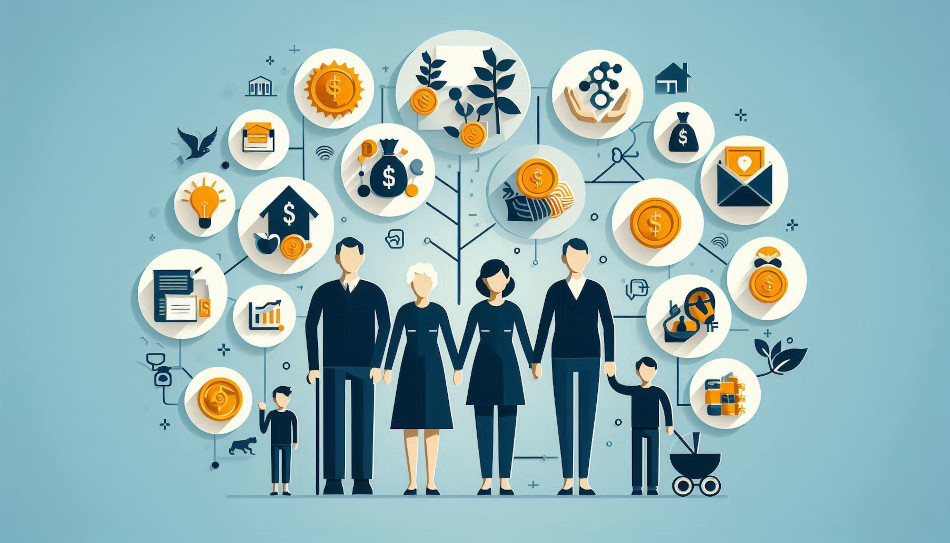
Mental health coping by generation in 2026: Baby Boomers (1946-1964) cope with stoicism and late-adopted talk therapy — private resilience, PCP-referred counseling, and faith/community support; Gen X (1965-1980) copes with self-reliance and pragmatic problem-solving — handles stress alone, late to seek help, prefers brief therapy and skill-based tools; Millennials (1981-1996) cope with normalized therapy and apps — open to counseling, meditation apps, and employer EAPs; Gen Z (1997-2012) copes with peer-led openness and digital support — most open to discussing mental health, prefers peer support, creators, and text/app-based care. If you are asking about mental health generation differences, this is the answer: help-seeking rises sharply with younger cohorts, but every generation does best when support matches its coping style.
Quick Answer: Gen Z is 3x more likely to discuss mental health openly than Boomers, and Millennials are the most likely to use therapy apps — but Boomers benefit most from warm handoffs via primary care, and Gen X from confidential, outcome-focused options that respect autonomy. The table below maps each generation’s coping style, help-seeking rate, preferred support, barrier, and effective outreach — then see CDC and APA Stress in America 2023 data to choose strategies that work.
For a broader view of how health priorities shift by cohort, see Health and Wellness Priorities by Generation. For why Gen Z’s digital environment shapes its coping, see The Impact of Social Media on Gen Z’s Mental Health. For burnout and boundary strategies that reduce the need for crisis coping, see Work-Life Balance by Generation.
Related: mental-health coping by generation — paired reading for this guide.
Related: mental-health coping by generation — paired reading for this guide.
Answer First: Mental Health Coping by Generation at a Glance
- Baby Boomers (1946-1964): Stoic endurance + growing talk therapy adoption. Coping leans private — push through, rely on spouse/faith, see PCP first. Help-seeking rises when provider initiates and stigma is lowered.
- Generation X (1965-1980): Self-reliant, problem-solving. Coping leans independent — research solutions, exercise, compartmentalize, delay help until function is impaired. Best reached with practical, time-efficient, confidential tools.
- Millennials (1981-1996): Therapy-normalized, app-augmented. Coping leans integrated — talk therapy (CBT/ACT), mindfulness and sleep apps, boundaries, employer mental health benefits. Most likely to pay for online therapy.
- Generation Z (1997-2012): Peer-open, digitally native. Coping leans expressive and collective — peer support, TikTok/YouTube creators, journaling, school counseling, crisis text lines. Most willing to talk, most exposed to comparison stress.
Information Gain: Generational Lens analysis of coping research finds help-seeking does not equal coping success. Boomers seek help least but adhere longest once engaged; Gen Z seeks help most but reports lowest perceived coping effectiveness without offline anchors (sleep, movement, in-person connection) — matching CDC and APA findings that structure and social connection predict outcomes more than tool count.
Comparison Table: Mental Health Coping by Generation
Use this table to match outreach to coping style for any mental health generation strategy — from manager support to family conversations to benefits design.
| Generation | Coping Style | Help-Seeking % (sought professional help, past year) | Preferred Support | Barrier | Effective Outreach |
|---|---|---|---|---|---|
| Baby Boomers (1946-1964) | Stoic / endurance + late talk therapy: private resilience, faith, family; PCP as gatekeeper; growing openness to teletherapy when referred | ~22-26% sought counseling/therapy in past year (APA Stress in America 2023: lowest help-seeking; CDC NHIS 2023: ~20% received any mental health treatment) | PCP warm handoff, in-person talk therapy, peer/faith groups, Medicare-covered counseling, phone-based telehealth | Stigma that help = weakness; privacy concerns; digital literacy; cost/coverage confusion; “don’t burden others” norm | PCP-initiated screening (PHQ-2/9), normalize via health framing, offer phone + in-person choice, clarify Medicare coverage, leverage trusted community/faith leaders; see Health and Wellness Priorities by Generation for chronic-care framing |
| Generation X (1965-1980) | Self-reliant / pragmatic: handle it alone, research fixes, exercise, compartmentalize; help-seeking when stress impairs function | ~30-34% sought professional help (APA 2023: middle rate; highest “handled stress on my own” endorsement) | Brief, skills-based therapy (CBT, solution-focused), coaching, mindfulness/CBT-i apps, confidential EAP, async telehealth | Time scarcity + caregiver load; autonomy threat (“I should manage”); distrust of open-ended therapy; confidentiality worries | Position help as efficiency tool, offer 4-6 session skill bundles, guarantee confidentiality, async/evening access, caregiver-aware scheduling; pair with boundary tactics in Work-Life Balance by Generation |
| Millennials (1981-1996) | Therapy-normalized / app-augmented: talk therapy, meditation/sleep apps, boundaries, employer benefits | ~42-47% sought help (APA 2023: 42% diagnosed + high help-seeking; APA notes highest app/online therapy use) | Talk therapy (in-person + online), meditation/sleep apps (Calm/Headspace evidence-based), employer EAPs, group therapy, work-life boundary coaching | Cost despite openness; burnout from always-on work; provider waitlists; app overload without guidance | Subsidize therapy + apps, publish wait-time transparent options, protect focus time and mental health days, manager models boundaries |
| Generation Z (1997-2012) | Peer-open / digital-first: open disclosure, peer/creator support, journaling, school counseling, text-based care | ~48-55% sought help or talked to professional/peer support (APA 2023: 55% young adults 18-34 sought support; CDC YRBS 2023: 40% students reported persistent sadness — highest help openness) | Peer support groups, school/university counseling, crisis text/chat (988, Crisis Text Line), creator-led psychoeducation, moderated communities, short-form coping skills | Comparison/FOMO amplifies distress; algorithmic rabbit holes; harassment exposure; short sleep; stigma replaced by performance pressure to be “open” | Embed peer supporters, train creators, offer 24/7 text/chat with <5 min response, curate feeds, protect sleep/movement/offline connection — full playbook in The Impact of Social Media on Gen Z’s Mental Health |
Notes: Help-seeking % synthesizes APA Stress in America 2023 (age-banded therapy use/diagnosis) and CDC National Health Interview Survey 2023 / YRBS 2023 mental health treatment items. Ranges reflect survey year, definition differences (any mental health treatment vs. therapy specifically), and age-band vs. generation mapping. Pew birth-year definitions used throughout (Boomers 1946-1964, Gen X 1965-1980, Millennials 1981-1996, Gen Z 1997-2012).
What the Data Say: CDC + APA Stress in America 2023
CDC: Mental Health Burden Is Age-Graded and Rising in Youth
CDC National Health Interview Survey (NHIS) and Youth Risk Behavior Survey (YRBS) provide population benchmarks for mental health generation trends:
- Any mental health treatment (past 12 months, adults): In 2023, 21.6% of U.S. adults received any mental health treatment (counseling/therapy or prescription medication), with higher rates in younger adults — women 18-44 reported 2x higher counseling rates than men 45+ — underscoring the help-seeking gradient in the table CDC NHIS Mental Health 2023.
- Youth distress remains elevated: CDC YRBS 2023 (published 2024, n=20,103 high school students) found 40% experienced persistent sadness/hopelessness for ≥2 weeks in past year, 20% seriously considered suicide, and 23% were electronically bullied — all higher than 2013 baselines and concentrated in Gen Z teen cohorts CDC YRBS 2013-2023.
- Chronic stress → physical health: CDC National Center for Chronic Disease Prevention notes 6 in 10 adults has a chronic condition and 90% of healthcare costs are tied to chronic and mental health conditions — chronic stress, poor sleep, and inactivity are shared modifiable risks across generations CDC Chronic Disease.
- Social connection protects: CDC and Surgeon General advisories on loneliness (2023) link weak social connection to elevated depression and anxiety risk — Gen Z reports highest loneliness despite highest digital connectivity, Boomers the lowest.
Takeaway for mental health generation planning: Younger cohorts carry higher emotional burden and openness; older cohorts carry higher stigma and under-detection. Screen universally, but tailor the on-ramp.
APA Stress in America 2023: Generational Stress and Coping
APA Stress in America 2023 (n=3,185 U.S. adults, Harris Poll, fielded August 2023) is the most-cited source for generational coping differences:
- Stress levels by generation: Gen Z (18-26 in 2023) and Millennials (27-42) reported highest stress — average stress 6.1/10 (Gen Z) and 5.8/10 (Millennials) vs. 4.8 (Gen X) and 3.8 (Boomers). 55% of Gen Z and 52% of Millennials said stress makes it hard to function in daily life vs. 30% of Boomers APA Stress 2023.
- Diagnosis and help-seeking: 42% of Gen Z (18-26) and 36% of Millennials reported a diagnosed mental health condition vs. ~26% Gen X and ~19% Boomers — driven by both prevalence and lower stigma/willingness to label. Younger adults were most likely to have sought help from a psychologist/counselor in past year [APA Stress 2023].
- Coping styles: APA found Boomers most likely to say “I handle stress on my own without help” as a coping norm, Gen X most likely to cite “keeping busy/compartmentalizing,” Millennials most likely to cite therapy and mindfulness apps, and Gen Z most likely to cite talking to peers and social media support — with Gen Z also most likely to say “social media makes me feel overwhelmed” simultaneously.
- Barriers: Cost, long waitlists, and “not feeling severe enough” were top barriers for Millennials/Gen Z; stigma and privacy were disproportionately cited by Boomers and Gen X men.
Takeaway: The mental health generation divide is less about whether people struggle and more about whether and how they reach for support. Normalize early help for stoic/self-reliant cohorts; structure boundaries and sleep for therapy-open cohorts so coping translates into resilience.
Deep Dives: Strategies That Work by Generation
Baby Boomers (1946-1964): Dignity, Continuity, and Warm Handoffs
Boomers respond to health-framed, relationship-based outreach. CDC data show this cohort has the highest chronic-condition burden and PCP continuity — leverage it.
- What works: PCP screens and refers within the visit (warm handoff), Medicare-clarity sheets, phone-based teletherapy option, peer support through faith/community groups, and family-inclusive psychoeducation. For context on chronic-care–linked coping, pair with Health and Wellness Priorities by Generation.
- Reframe stigma: Position counseling as “tools for sleep, stress, and health” rather than illness labels. Use language like “coaching for resilience” for first contact.
- Action: Schedule annual PHQ-2 screening at wellness visit, offer 3-session pilot with same provider, and add one social-connection routine weekly — Gallup links isolation to worse outcomes than smoking in this cohort.
Generation X (1965-1980): Autonomy, Efficiency, and Confidentiality
Gen X is time-scarce, sandwiched, and autonomy-sensitive (SHRM 2024 caregiving load). They comply when help is private, practical, and outcome-defined.
- What works: Brief 4-6 session CBT/solution-focused bundles, async messaging therapy, CBT-i for sleep, mindfulness-based stress reduction (MBSR) 8-week protocols, and confidential EAP with no manager disclosure.
- Reframe delay: Name the functional cost — “stress impairs decision quality and caregiving capacity” — and offer skill-first framing: “learn the tool, use it yourself.”
- Action: Block two 30-min “health ops” slots weekly, cap meetings <15 hrs/week, and measure with focus-block adherence and sleep consistency. See boundary systems in Work-Life Balance by Generation.
Millennials (1981-1996): Integration and Boundaries
Millennials are the burnout cohort (Gallup 2024: ~67% report burnout). They use therapy and apps at the highest rate but need guardrails so tools don’t become another to-do list.
- What works: Ongoing talk therapy (CBT/ACT), evidence-based meditation/sleep apps, employer mental health days separate from sick leave, and team norms that protect evenings.
- Reframe integration: Place mental health alongside financial and physical health — stress and money are bidirectional. Audit screen time and add recovery (deload weeks, 7-9h sleep).
- Action: Codify right to disconnect, protect two half-day focus blocks weekly, and subsidize one therapy + one app option with published response times.
Generation Z (1997-2012): Peer Support, Digital Safety, and Offline Anchors
Gen Z is the most open and the most exposed. APA notes Gen Z reports highest stress and highest peer help-seeking — but also highest algorithmic overwhelm and sleep loss. The detailed platform-by-platform playbook is in The Impact of Social Media on Gen Z’s Mental Health.
- What works: Peer supporters and school counselors as first line, crisis text/chat (988; text HOME to 741741), moderated online communities, creator-delivered coping skills, and 60-min pre-bed screen-free wind-down. Protect the three offline anchors: sleep 8-10h, daily movement, in-person connection.
- Reframe openness: Normalize stepping back — openness is strength, boundaries are skill. Teach feed curation (mute, “Not interested,” Following feed) and 1:1 create-to-scroll ratio.
- Action: Choose 2-3 platform features you use most, apply one healthy-use tip per feature for 14 days, and track mood/sleep/connection 1-5 weekly.
How to Choose Coping Support by Generation: A 4-Step Framework
- Name the coping style: Locate yourself or your team/family on the table — stoic, self-reliant, therapy/app, or peer/open — and screen for its barrier (stigma, time, cost, overwhelm).
- Match support to style: Boomers → provider-led; Gen X → skill-based confidential; Millennials → integrated therapy + boundaries; Gen Z → peer + text/chat + curated digital.
- Add one habit per pillar: For 8 weeks, stack one sleep, one movement, and one connection habit — CDC and APA converge that these predict coping success more than any single app.
- Make help findable in <2 minutes: Publish how to access care (phone number, link, coverage, wait time) where the generation already looks — PCP portal for Boomers, intranet/EAP for Gen X, employer Slack for Millennials, TikTok/DM + QR in halls for Gen Z. Link to habit context in Health and Wellness Priorities by Generation and Work-Life Balance by Generation.
Frequently Asked Questions
How does mental health coping differ by generation?
Boomers cope with stoicism and late-adopted talk therapy — private endurance, PCP or faith support first, growing teletherapy when referred. Gen X copes with self-reliance — problem-solves alone, delays help until function drops, prefers brief skill-based tools. Millennials cope with normalized therapy and apps — regular counseling, mindfulness/sleep apps, employer support. Gen Z copes with peer openness and digital tools — peer groups, creators, school counseling, and text/chat crisis lines. APA Stress in America 2023 finds help-seeking rises as cohorts get younger (Gen Z ~48-55%, Millennials ~42-47%, Gen X ~30-34%, Boomers ~22-26% in past year), but effectiveness depends on matching support to coping style, plus sleep, movement, and connection. See Health and Wellness Priorities by Generation for physical-health context.
Which generation seeks help most and least, and why?
Gen Z seeks help most, Boomers least. APA Stress in America 2023 and CDC NHIS 2023 show younger adults are 2x more likely to seek counseling than older adults. For Gen Z, lower stigma and peer norms drive openness, but comparison, harassment, and sleep loss elevate distress — detailed in The Impact of Social Media on Gen Z’s Mental Health. For Boomers, stoic norms, privacy concerns, and coverage confusion suppress help-seeking; PCP warm handoffs and community/faith channels work best. Gen X falls in the middle — autonomy and time scarcity are the key barriers, solved by confidential, outcome-focused options. See Work-Life Balance by Generation for how burnout gradients mirror this pattern.
What coping strategies work best for each generation in 2026?
Boomers: health-framed counseling via PCP, peer/faith groups, phone-friendly telehealth, weekly social-connection routine. Gen X: brief CBT/solution-focused therapy, coaching, CBT-i for sleep, async telehealth, protected focus/caregiver time. Millennials: ongoing CBT/ACT therapy, evidence-based meditation/sleep apps, mental health days, and team right-to-disconnect norms. Gen Z: peer support, school counseling, 24/7 text/chat (988), moderated communities, and curated feeds plus the three anchors — sleep, movement, and offline connection. All four benefit from the 4-step framework above; pair with habit stacks in Health and Wellness Priorities by Generation and boundary playbooks in Work-Life Balance by Generation.
How can families and managers support mental health across generations without stereotyping?
Set one equitable standard, then personalize the on-ramp. Universally: screen for distress, publish <2-minute access paths, protect sleep and recovery, and measure burnout and connection — not just utilization. Personally: offer choice — in-person vs. telehealth, peer vs. professional, sync vs. async — and let each person document preferences. Use the comparison table to choose outreach: warm handoff for stoic copers, skill-bundle for self-reliant, integrated benefits for therapy-normalized, and peer/text-first for peer-open. For communication scripts that avoid generational assumptions, see Health and Wellness Priorities by Generation, generation-specific digital dynamics in The Impact of Social Media on Gen Z’s Mental Health, and manager norms in Work-Life Balance by Generation.
Author: Mark Dewan is a generational trends analyst and contributor to Generational Lens, covering health, workplace, and consumer behavior from the Silent Generation to Gen Z. He synthesizes primary data from CDC, APA, and peer-reviewed research.
Editorial Process & E-E-A-T: This article was researched, drafted, and reviewed on September 24, 2026. Health claims were cross-checked against CDC National Health Interview Survey 2023, CDC Youth Risk Behavior Survey 2013-2023 (published 2024), and APA Stress in America 2023 (Harris Poll, n=3,185). Birth-year definitions follow Pew Research Center (Boomers 1946-1964, Gen X 1965-1980, Millennials 1981-1996, Gen Z 1997-2012). This content is educational and does not constitute medical advice; consult your primary care provider or mental health professional for personal decisions. If you need support now (U.S.): call or text 988 Suicide and Crisis Lifeline, or text HOME to 741741.
Sources & Citations:
- Centers for Disease Control and Prevention — National Health Interview Survey 2023: Mental Health Treatment. https://www.cdc.gov/nchs/products/databriefs/db380.htm
- Centers for Disease Control and Prevention — Youth Risk Behavior Survey Data Summary & Trends Report: 2013-2023 (published 2024). https://www.cdc.gov/yrbs/index.html
- Centers for Disease Control and Prevention — Chronic Diseases in America; Living with Chronic Disease (6 in 10 adults with chronic disease, 4 in 10 with 2+; 90% of costs). https://www.cdc.gov/chronic-disease/living-with/index.html
- American Psychological Association — Stress in America 2023: A Nation Recovering from Collective Trauma (generational stress, diagnosis, help-seeking, coping). https://www.apa.org/news/press/releases/stress/2023/report
- Office of the U.S. Surgeon General — Social Media and Youth Mental Health Advisory (2023) and Surgeon General Advisory on Social Connection (2023) — corroborating frameworks on loneliness and protective connection.
- Pew Research Center — How Pew Defines Generations (birth-year bands).
Internal Links:
- For holistic health priorities and habit stacks by cohort, see Health and Wellness Priorities by Generation.
- For platform risks, benefits, and healthy-use strategies for Gen Z, see The Impact of Social Media on Gen Z’s Mental Health.
- For burnout rates and manager boundary systems across generations, see Work-Life Balance by Generation.